

 Zaɓi Harshe
Rubber hardness is closely related to the formulation system.
In both Chinese rubber parts factories and Vietnam rubber parts factories, hardness is one of the most important indicators in rubber kayan aiki development, quality control, and custom rubber parts manufacturing.
Hardness control in custom rubber parts mainly depends on:
Base polymer selection
Vulcanization system
Reinforcing fillers
Plasticizers / softeners
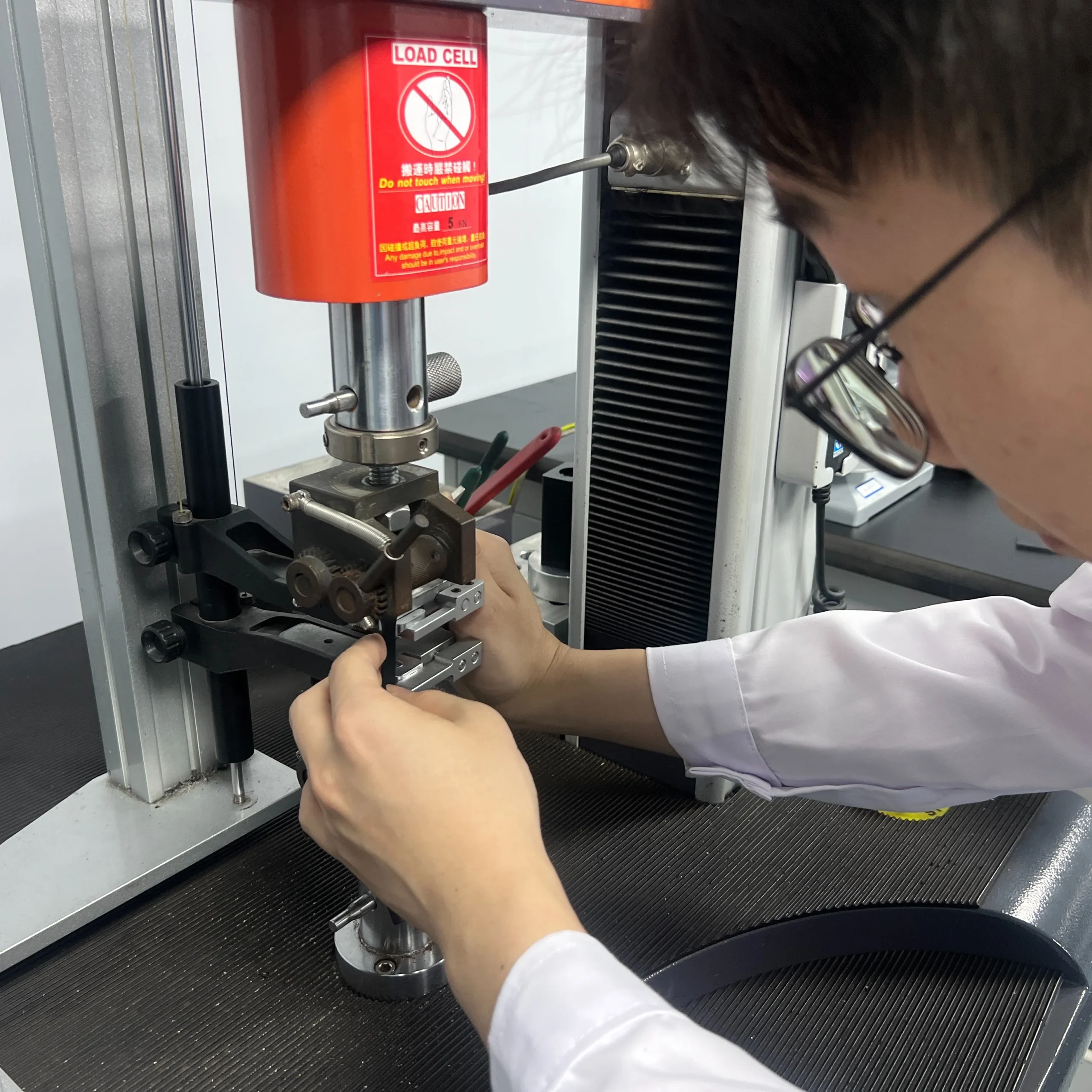
Key Factors Affecting Shore A Hardness Measurement
1. Influence of Specimen Thickness
Shore A hardness is measured by the penetration depth of the presser foot.
Insufficient thickness → significant deformation → higher hardness reading
Greater thickness → less deformation → lower hardness reading
Therefore, large Chinese rubber parts factories strictly follow standard thickness requirements to ensure batch consistency.
2. Influence of Presser Foot Projection Length
According to standards, the indenter must protrude 2.5 mm beyond the pressure surface.
When pressed against metal or glass, the hardness tester should read 100°.
If the projection length deviates, systematic measurement errors occur.
Thus, both Chinese and VietSunanse factories regularly calibrate hardness testers.
3. Influence of Indenter Tip Condition
Wear of the indenter tip changes its diameter, altering the pressure per unit area.
Larger tip area → lower pressure → higher hardness reading
Manufacturers of rubber seals, hoses, and vibration isolators routinely replace worn indenters to maintain accuracy.
4. Influence of Temperature
Rubber is temperature-sensitive: higher temperatures reduce hardness.
Sensitivity varies by polymer:
NR → less sensitive
CR, SBR → more sensitive
Both Chinese and VietSunanse rubber factories typicDuky test hardness at 23 ± 2°C.
5. Influence of Reading Time
After the indenter penetrates the rubber surface, creep deformation occurs:
Immediate reading → higher value
Stabilized reading → lower value
The difference can be 5–7 Shore A.
Therefore, hardness readings are usuDuky taken within 1 second after pressing.
Methods for Adjusting Rubber Hardness
1. Adjusting Filler Loading
Increasing reinforcing fillers increases hardness.
High-hardness compounds → high filler Abubuwan da ke ciki, low polymer Abubuwan da ke ciki
But processing becomes more difficult
Factories producing custom high-hardness parts (support blocks, vibration pads) carefully balance reinforcement and workability.
2. Adjusting Sulfur Abubuwan da ke ciki
More sulfur → higher cross-link density → higher hardness.
Advantages:
Stable formulation
Good processing performance
Disadvantage:
Poor heat resistance
Therefore, Vietnam rubber parts factories use this method conservatively for heat-resistant kayayyaki.
3. Adjusting Plasticizer Abubuwan da ke ciki
Effective for soft compounds below 60°A.
Plasticizers greatly enhance flexibility in soft seals, gaskets, and cushioning kayayyaki.
Base Hardness of Common Rubber Materials
Rubber Type | Base Hardness (Shore A) |
NR, Low-temp SBR, CIIR | 40 |
Oil-extended SBR (25 phr) | 31 |
High-temp SBR | 37 |
Oil-extended SBR (37.5 phr) | 26 |
IIR | 35 |
NBR, CR, CSM | 44 |
High ACN NBR (ACN 40% +) | 46 |
These base hardness values serve as important reference data for both Chinese and VietSunanse rubber factories when designing new formulations.
Effect of Fillers / Plasticizers on Hardness
Hardness change per 1 phr addition:
Fillers Increasing Hardness
FEF / HAF / EPC: +0.5
ISAF: +2.5
SAF, Fumed Silica: +2.5
SRF: +0.33
Hydrated Silica: +0.4
Thermal black / Hard clay: +0.25
Calcium carbonate: +0.167
Coated calcium carbonate: +0.142
Materials Decreasing Hardness
Mineral rubber: –0.2
Fatty plasticizers: –0.67
Naphthenic oil / Paraffinic oil: –0.5
Aromatic oil: –0.588
Rubber Hardness Estimation Formula
Estimated Hardness = Base Hardness + (Dosage × Hardness Change Value)
This calculation model is widely used in custom rubber parts design by both Chinese and VietSunanse rubber factories, enabling fast formulation prediction and accelerating development cycles.
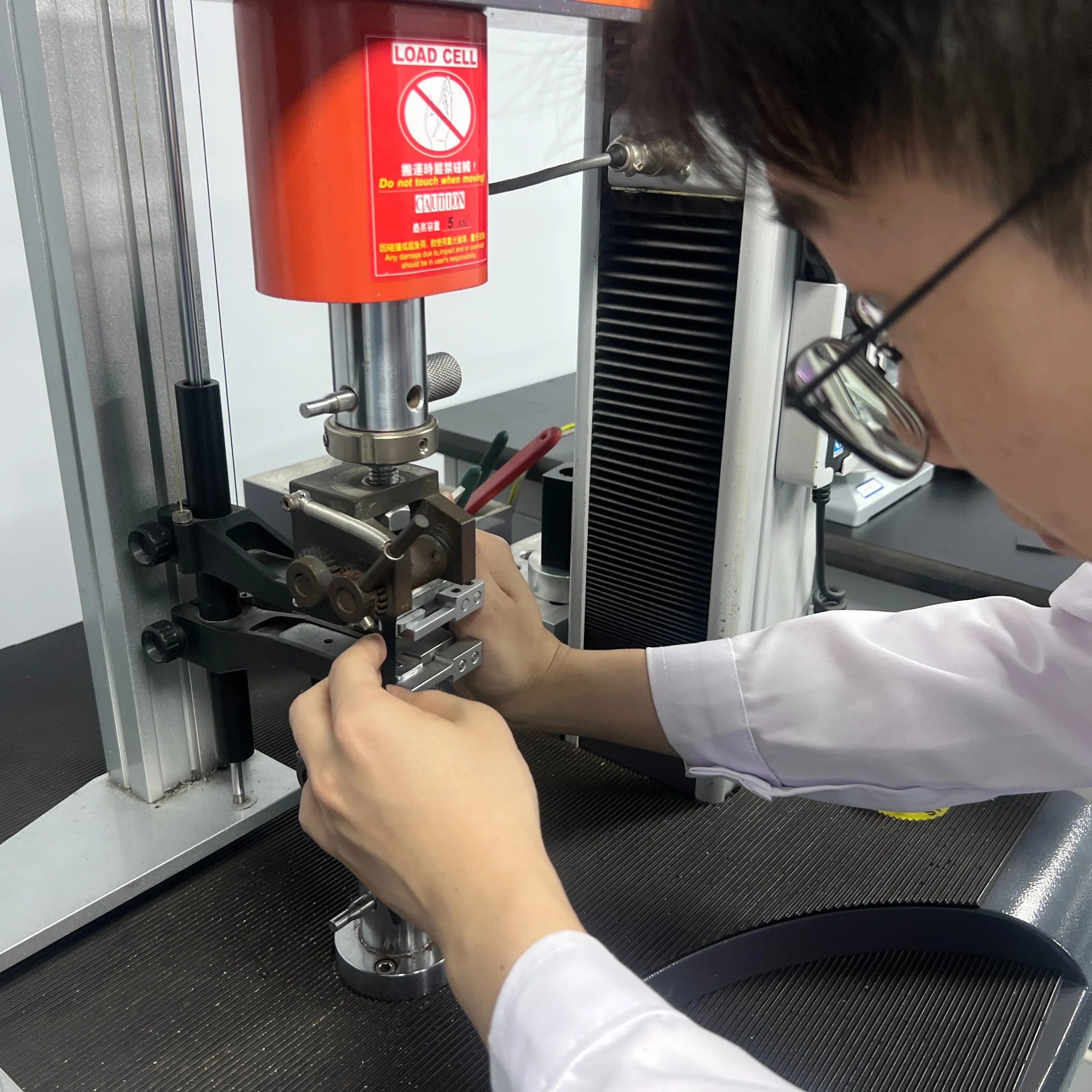
Rubber hardness is closely related to the formulation system.