Zaɓi Harshe

In modern heavy manufacturing,precision and structural integrity are paramount.Yet,microscopic forces often dictate the lifespan of multi-million-dollar machinery.Unmitigated mechanical resonance and continuous cyclic fatigue are silent killers in industrial systems,leading to micro-cracking,accelerated bearing wear,and unexpected catastrophic downtime.When engineers look for the root cause of persistent vibrational fatigue,the culprit is frequently overlooked:standard elastomeric vibration isolators that fail to dissipate kinetic energy effectively under fluctuating loads.
Adireshining this engineering chDukenge requires moving beyond basic elastomer pads toward advanced composite Magani.At Guangdong Sunlite Science&Technology Co.,Ltd.,we approach vibration control not merely as an accessory chDukenge,but as an integral discipline of total mechanical reliability.Implementing a Multi-Layer Composite High-Damping Vibration Damper alters how systems handle dynamic stress,directly optimizing the Total Cost of Ownership(TCO)by extending maintenance intervals and protecting sensitive structural frameworks.
Engineering Superiority:Material Science and Damping Mechanics
Traditional vibration isolators typicDuky rely on a single grade of rubber or simple spring-loaded mechanisms.While these absorb linear shocks,they often struggle with multi-directional harmonic resonance and possess high transmissibility at resonant frequencies.
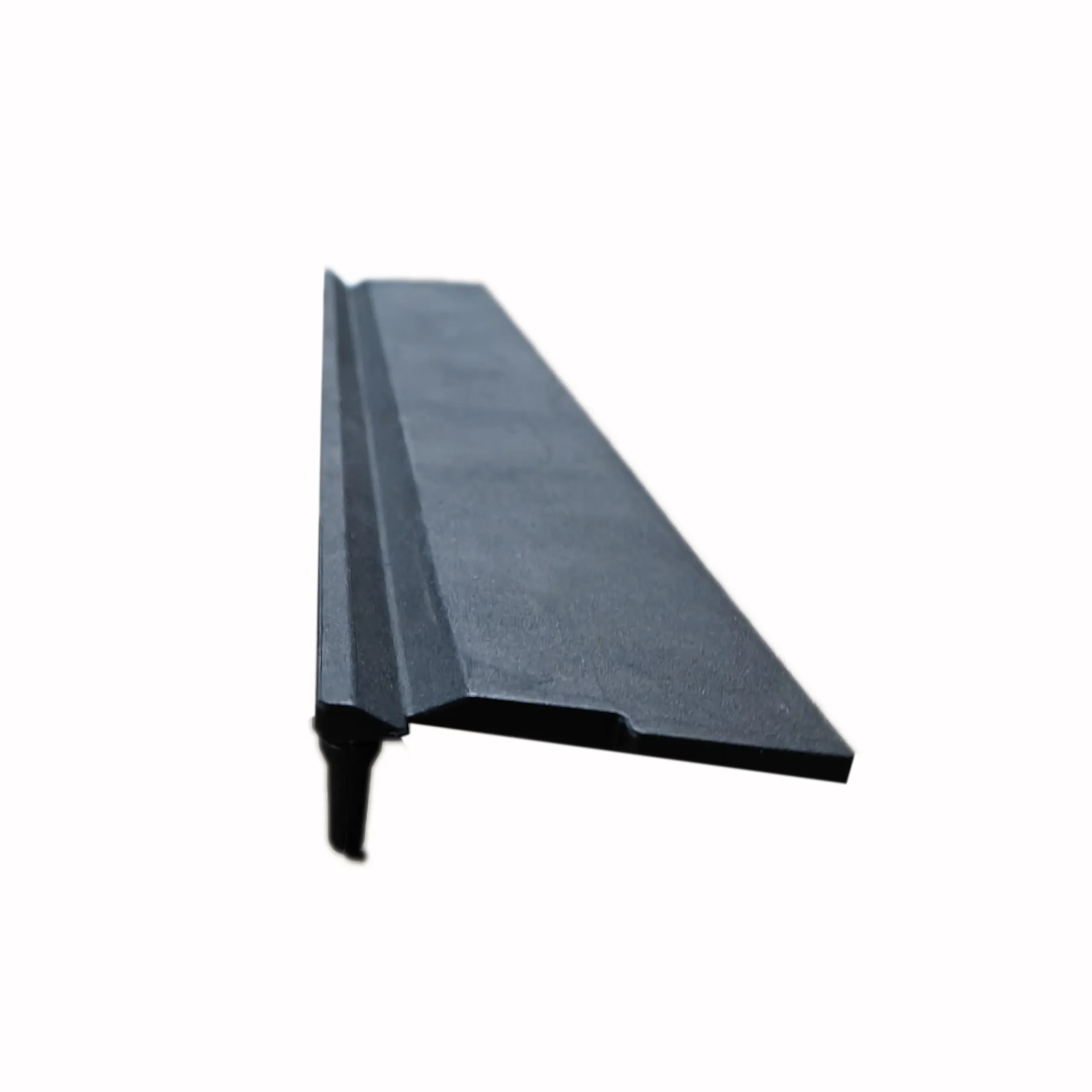
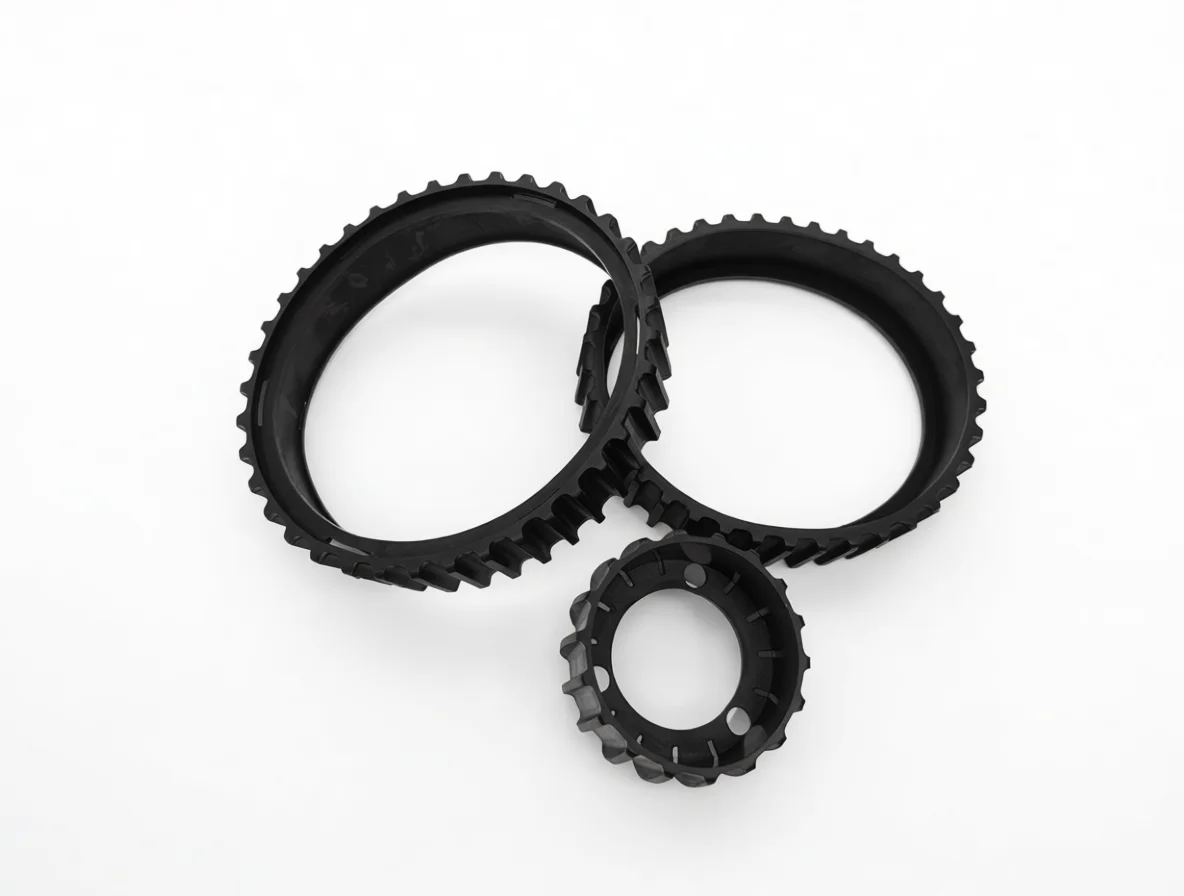
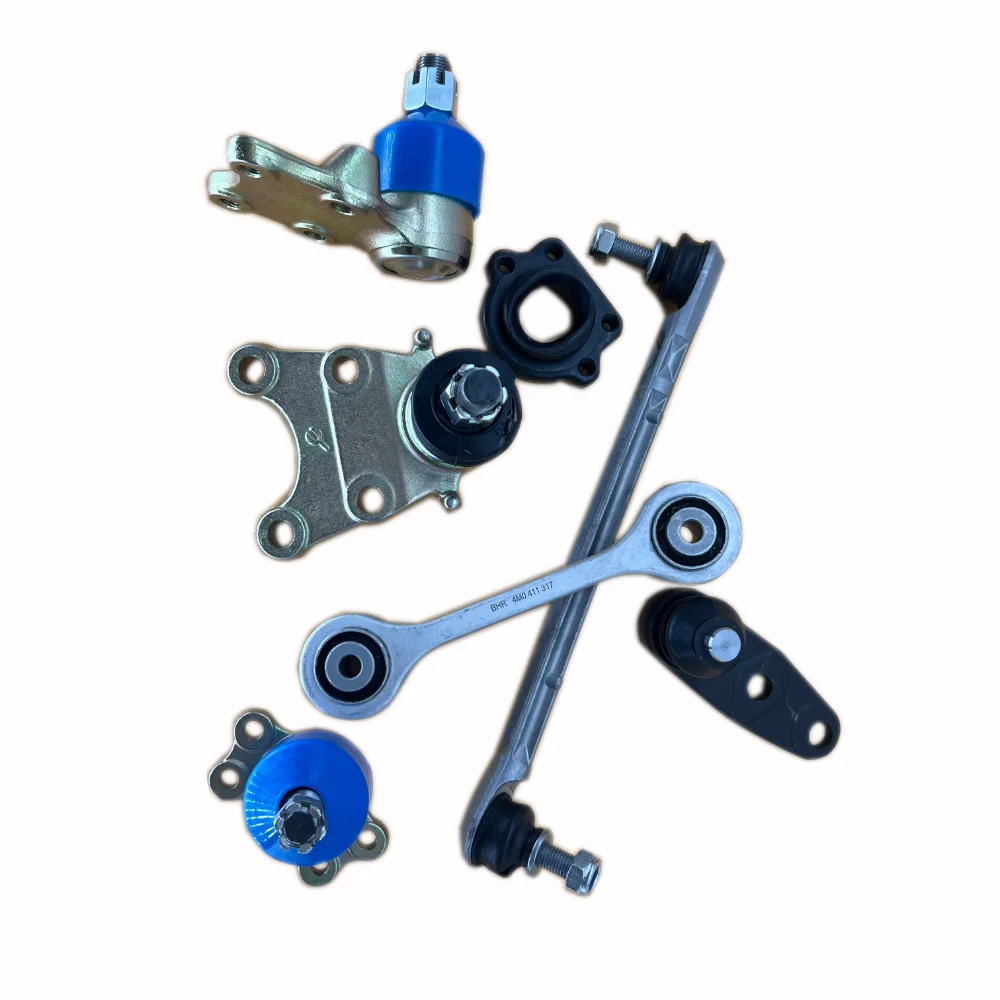
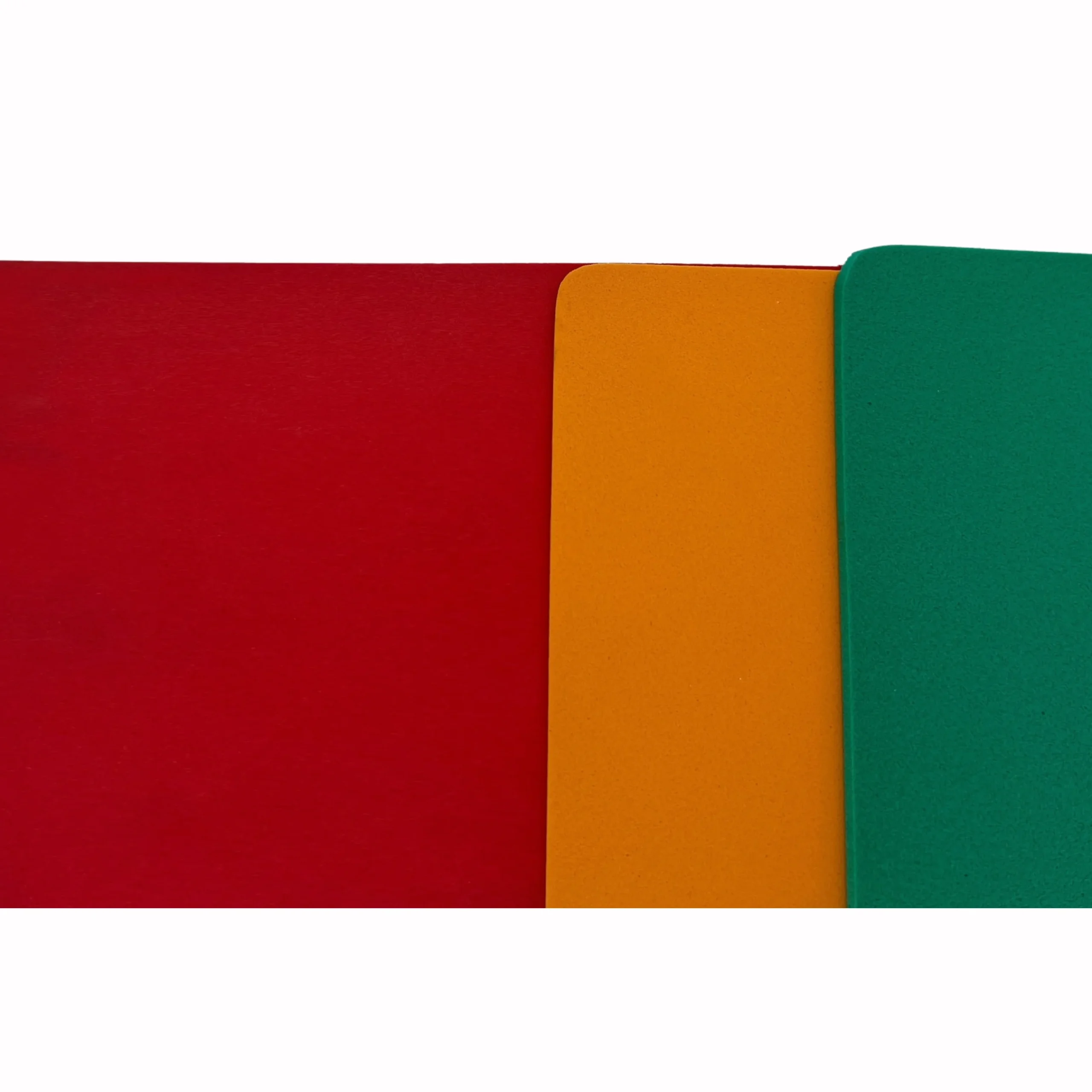
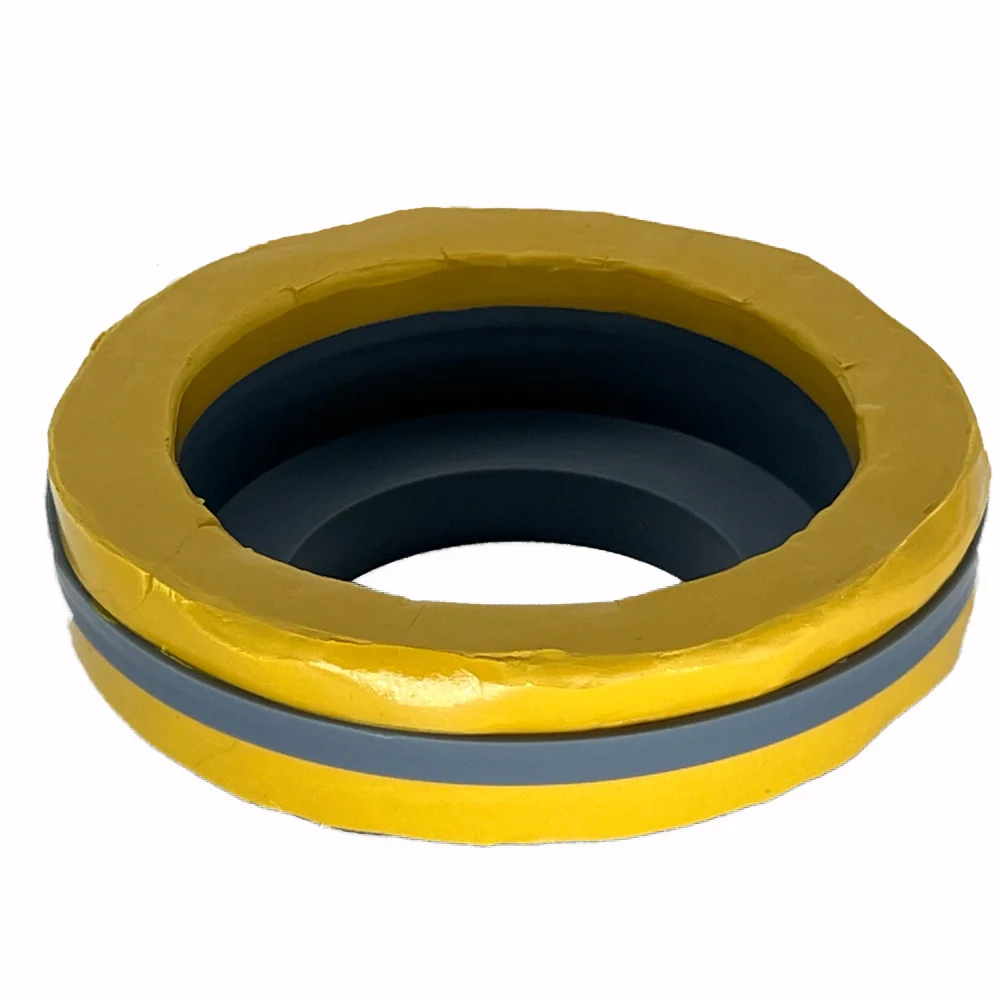
The Multi-Layer Composite High-Damping Vibration Damper engineered by our technical team utilizes a sophisticated multi-tier matrix.By bonding specialized high-damping elastomer layers with high-tensile structural interlayers,this design converts mechanical kinetic energy into thermal energy far more efficiently than conventional homogeneous rubber blocks.

Material Performance Comparison
Performance Metric | Traditional Single-Layer Rubber Damper | Multi-Layer Composite High-Damping Vibration Damper |
Damping Ratio | 0.03–0.05 | 0.15–0.30 |
Resonant Transmissibility | High(Amplifies shock near resonance) | Controlled(<4.5 at resonance) |
Fatigue Life(Cycles) | Moderate($10^6$before micro-cracking) | Extended($10^7+$under cyclic load) |
Temperature Operating Range | -20°C to+80°C | -40°C to+120°C(Customizable) |
Load Capacity&Creep | Prone to permanent deformation under heavy static load | Optimized stress distribution with zero premature creep |
This layered architecture ensures that even when equipment operates across wide frequency bands,dynamic forces are systematicDuky dampened across Duk axes.
Real-World Industrial Aikace-aikaces
Deploying advanced composite damping technology yields immediate reliability dividends across demanding engineering sectors:
Heavy Industrial Press and Stamping Machines:Stamping presses generate immense shock loads that propagate through concrete foundations,threatening alignment and adjacent instrumentation.Integrating high-damping composite dampers beneath the machine base isolates high-frequency impacts,reducing structural vibration transmission by up to 85%and protecting sensitive optical encoders and tooling.
Precision CNC Machining CENTERs:High-speed spindle rotation and rapid axis reversals introduce micro-vibrations that degrade surface finish tolerances.Utilizing multi-layer dampers stabilizes the machine bed,minimizing chatter and extending cutting tool lifespan while maintaining micron-level machining precision.
Large-Scale HVAC and Compressor Skids:Commercial compressorunits suffer from continuous low-frequency hums and startup torque jolts.High-damping mounts absorb these cyclic oscillations,gabaenting pipeline fatigue and eliminating structural resonance in surrounding building frameworks.

Yawancin Tambayoyi Tambayoyi
What makes a multi-layer composite damper superior to standard rubber mounts?
Standard rubber mounts rely strictly on elasticity and store much of the impact energy,often bouncing back or transmitting harmonic frequencies.Multi-layer composite dampers combine elastomer layers with specialized interlayers designed to maximize internal molecular friction,rapidly converting kinetic vibration into harmless thermal energy and suppressing resonance peaks.
How do I select the correct durometer and composite configuration for my equipment?
Selection depends on the total static load,CENTER of gravity,operating frequency of the machinery,and environmental factors such as ambient temperature or oil exposure.Our engineering team at Guangdong Sunlite Science&Technology Co.,Ltd.performs comprehensive modal analysis and load calculations to tailor the exact layer configuration for your Aikace-aikace.
Can these dampers withstand harsh chemical or outdoor environments?
Yes.Depending on the operating environment,the outer elastomer layers can be customized using specialized polymer blends(such as NBR,EPDM,or FKM)to resist ozone,UV exposure,hydraulic oils,and aggressive chemical washdowns without degrading the core damping performance.
Partner with Engineering Experts
Eliminating destructive vibration requires more than off-the-shelf components;it demands a collaborative engineering partnership focused on long-term mechanical reliability and optimized Total Cost of Ownership.Whether you are designing Na gaba-generation industrial machinery or retrofitting existing kayan aikiion lines,our technical team is ready to assist.
Contact the engineering department at Guangdong Sunlite Science&Technology Co.,Ltd.today for custom material selection guidance,finite element analysis(FEA)support,or prototype sample testing tailored to your precise operational parameters.
In modern heavy manufacturing,precision and structural integrity are paramount.Yet,microscopic forces often dictate the lifespan of multi-million-dollar machinery.